Screaming Chambers
A scream is the sound a person makes when language has run out. This project takes that sound literally as a design input: measured, turned into geometry, printed as a chamber, and translated into a facade that lets the street register the pain without ever seeing the person.
- Project
- Screaming Chambers
- Year
- 2023
- Discipline
- B.Arch Thesis
- Methods
- Cymatics, Grasshopper + Rhino, 3D printing
The premise
Screaming is intrinsically private. It expresses an intensity most people are not comfortable sharing in public, even though the act is cathartic and necessary to release pent-up stress. In a city like New York it turns heads, and the privacy of home is not always available either. Rather than endlessly bottling stress up, I asked what a designated space to unload it would have to be.
The constraint that follows is the hard part. A room you can scream in is easy. A room you can scream in that other people can watch you walk into is not, because the shame of being seen needing it is most of what keeps people out.
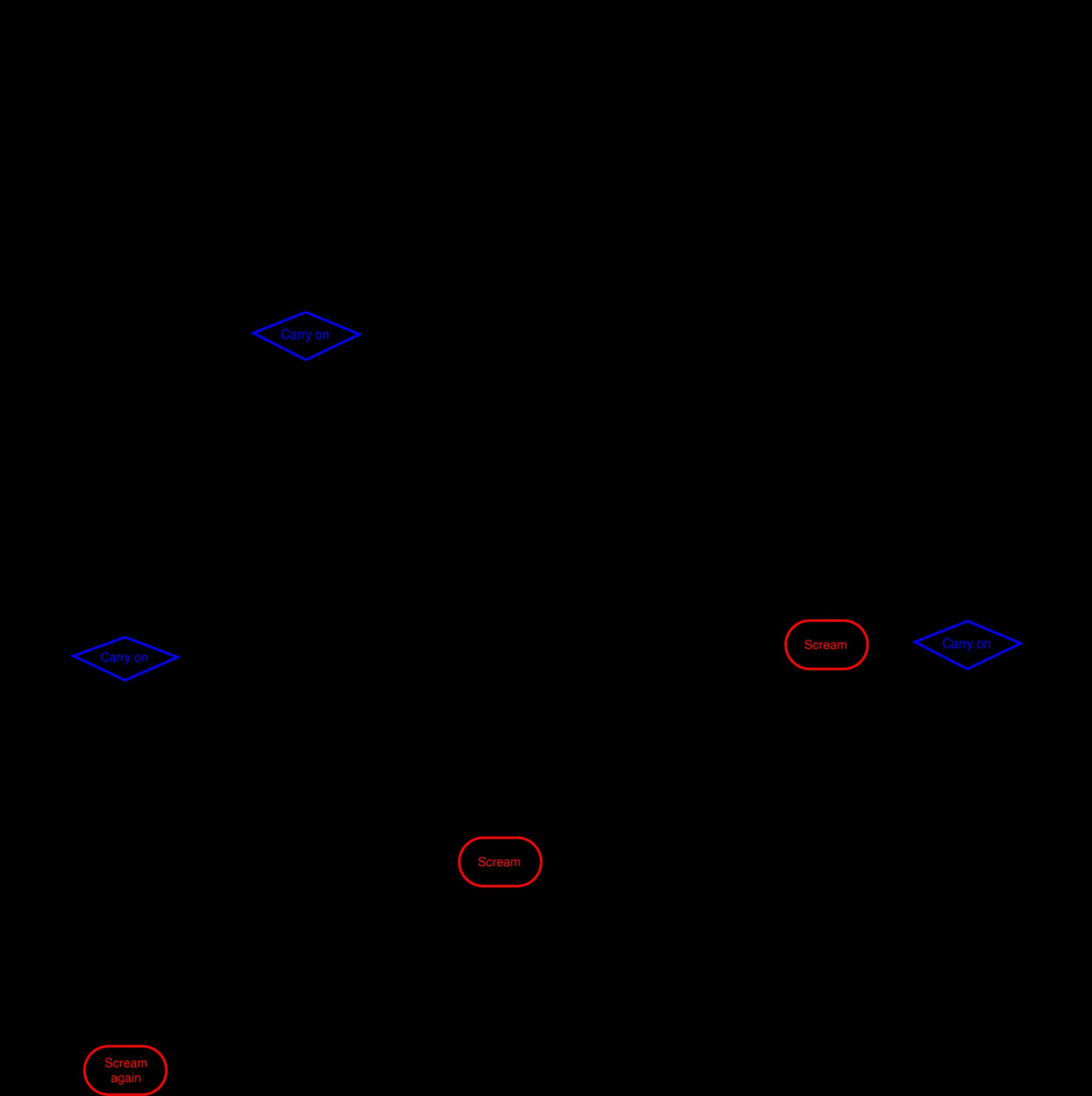
Making a scream visible
The method is cymatics, the visual representation of wave phenomena. I built a Chladni plate to work with it directly: a vibration speaker driving a metal plate, scattered with a fine medium, so a tone pushes the material into a standing pattern you can photograph. Change the frequency and the pattern reorganizes. It is a small instrument, and it does something specific — it converts a sound that resists description into a figure with an edge.
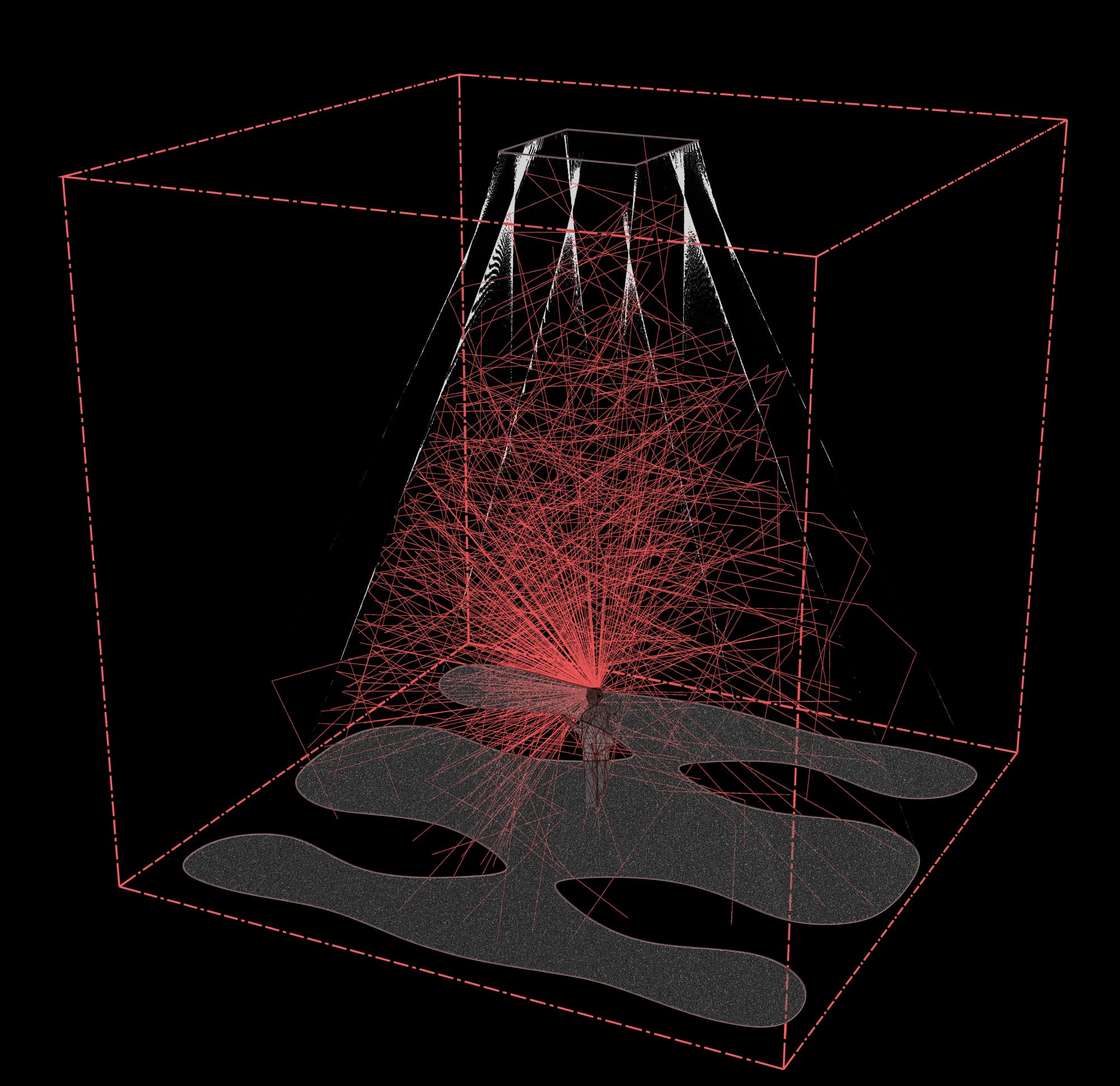
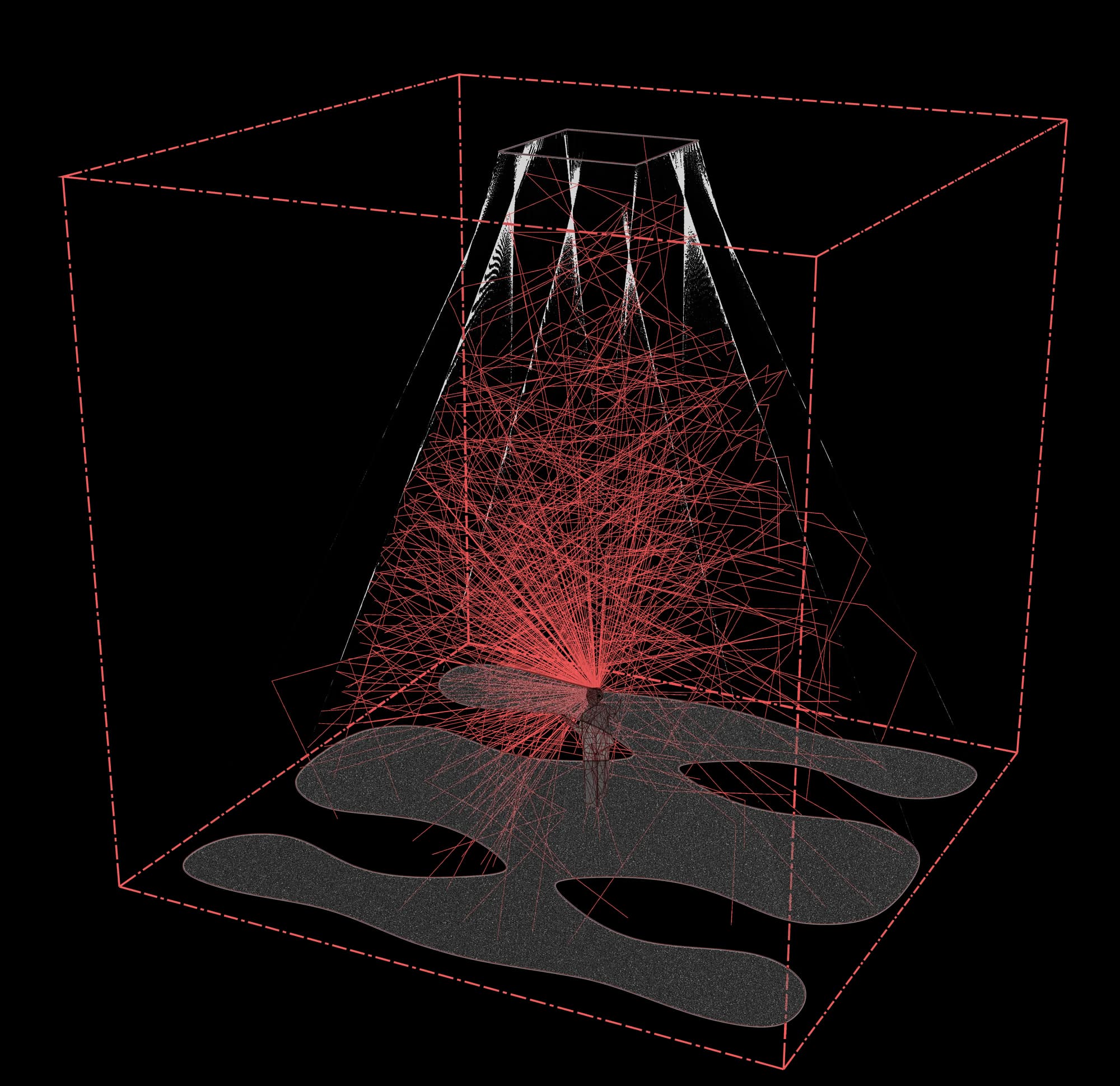
From there I traced the vectors of a single scream to get geometry I could build with, rather than illustrating a scream after the fact.


From sound to solid
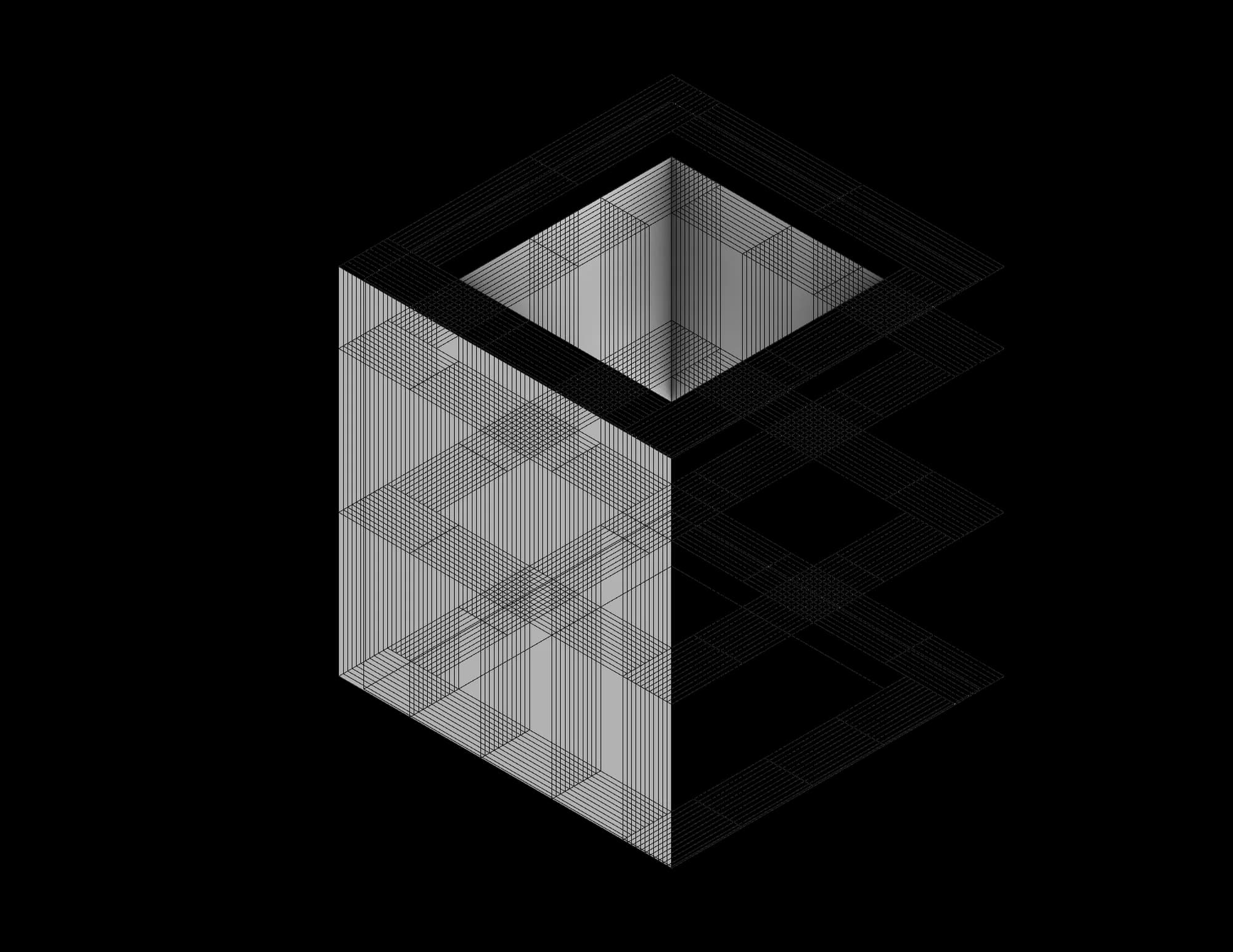
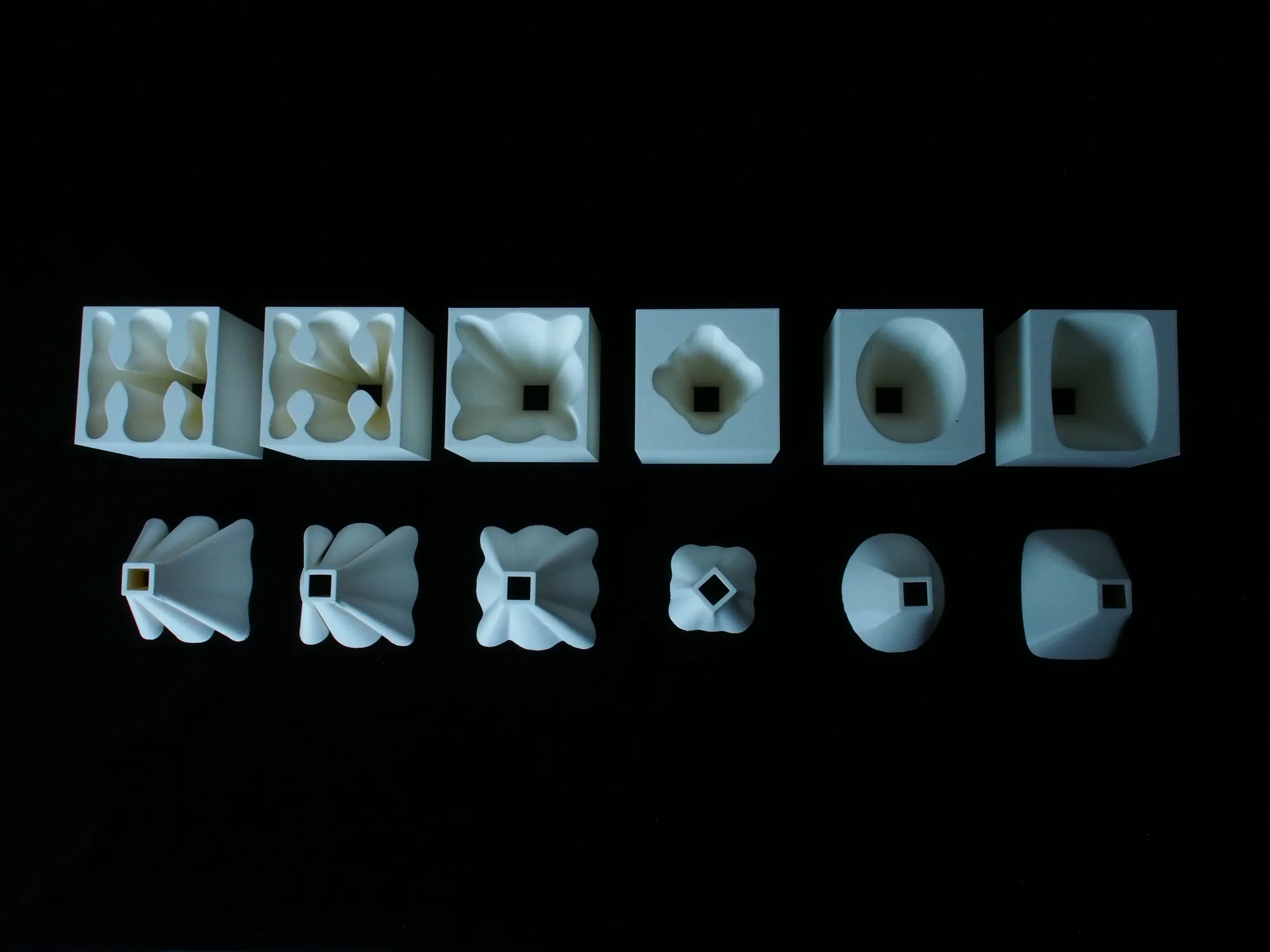
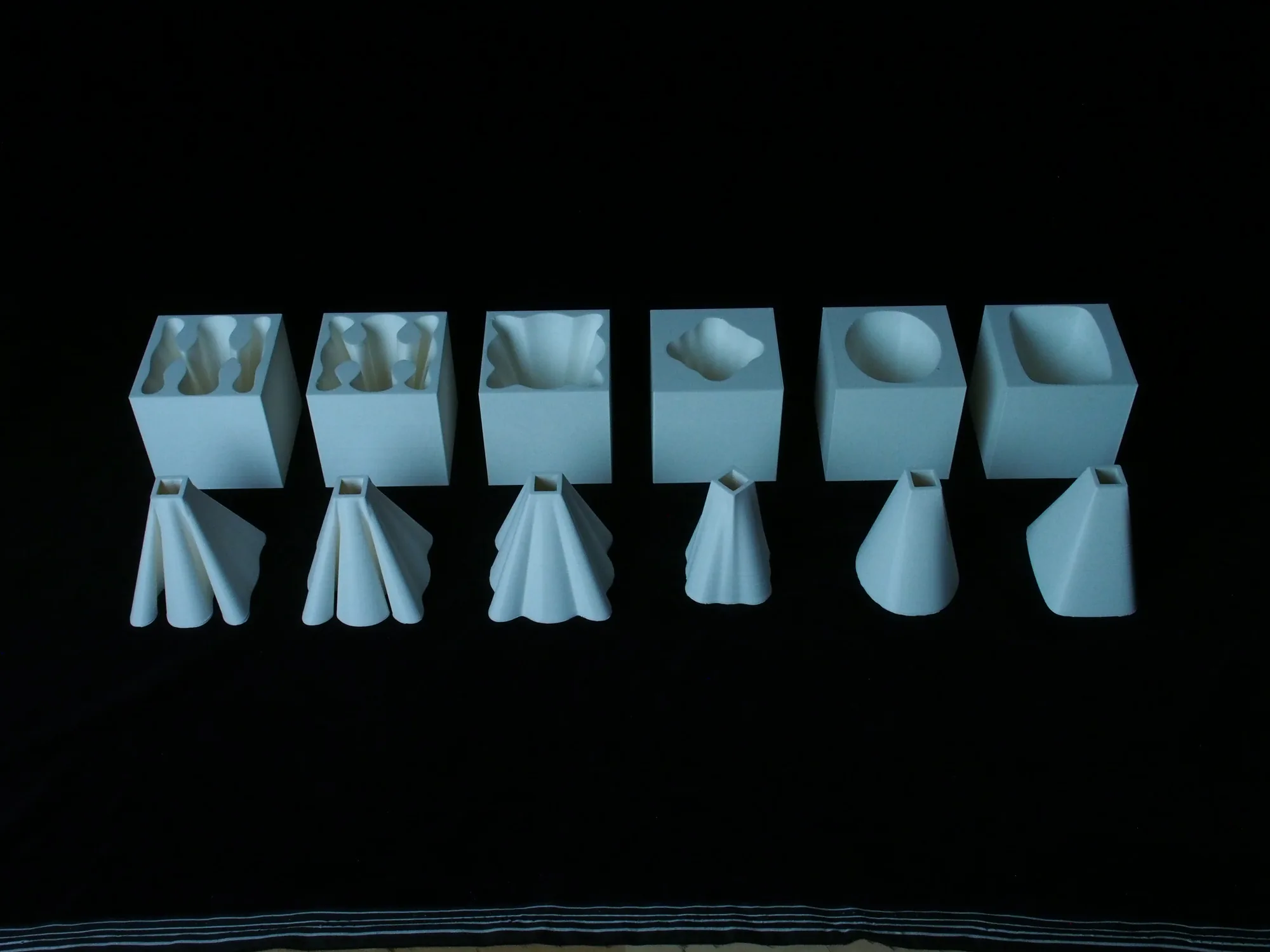
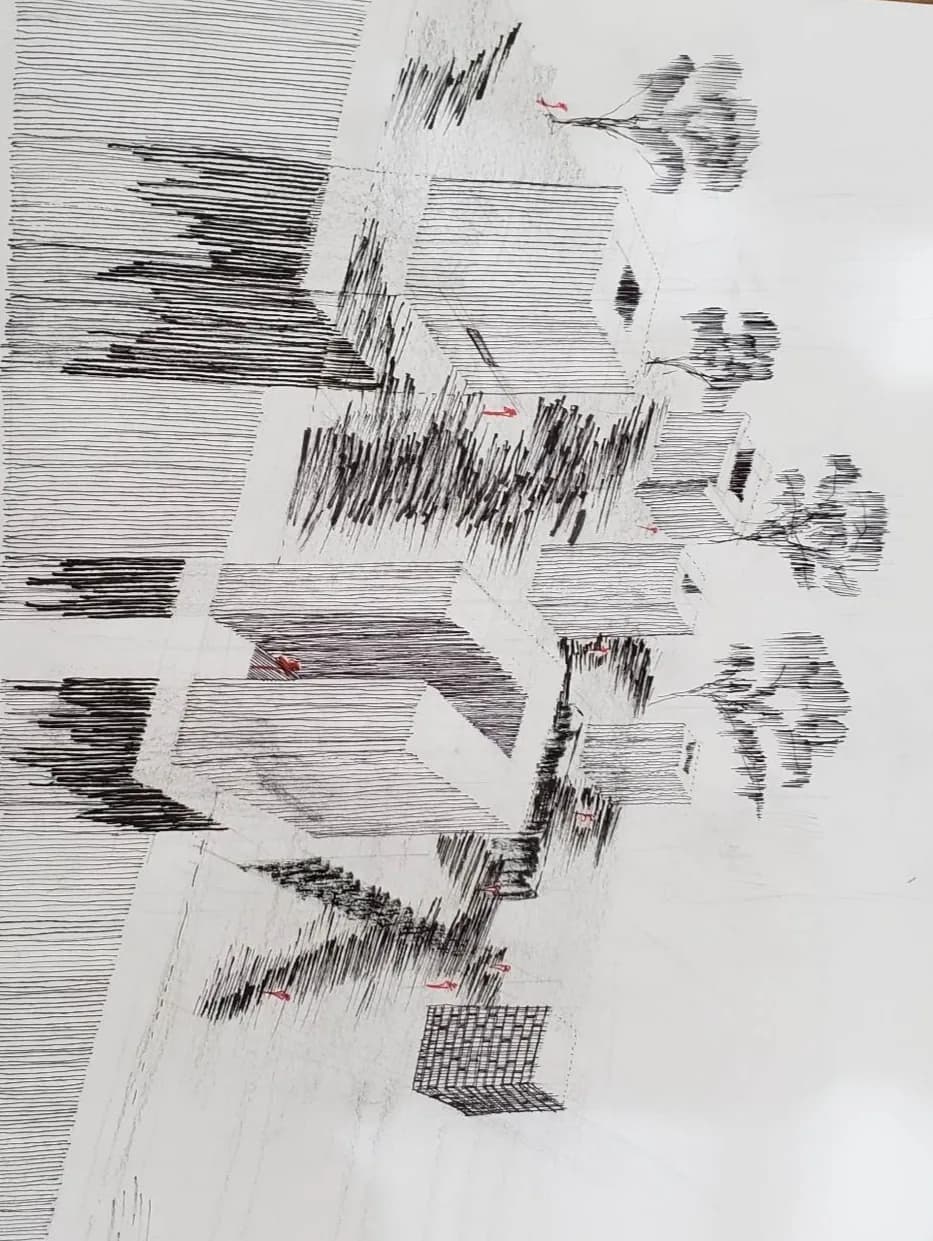
The sound volume becomes the void. Working in Grasshopper and Rhino, I generated the interiors from those Chladni figures and subtracted them from a plain cube, so the exterior stays mute and everything expressive happens on the inside surface. The sequence runs from the base of the object upward, the section narrowing as it rises until it closes on a single small window at the top.
Each chamber is tuned to a different decibel range: the louder the scream, the more the interior lobes and folds. The set was 3D printed as a family, shell above and extracted sound volume below, so the chambers could be read against each other as a series rather than argued for one at a time.
Anonymous but felt
Elaine Scarry argues in The Body in Pain that pain actively destroys language, returning the person to a state before speech, and that making things is how pain gets externalized. That is the operating principle here, and it names what the chamber is actually for: the scream is routed into an artifact because it cannot be routed into a sentence.
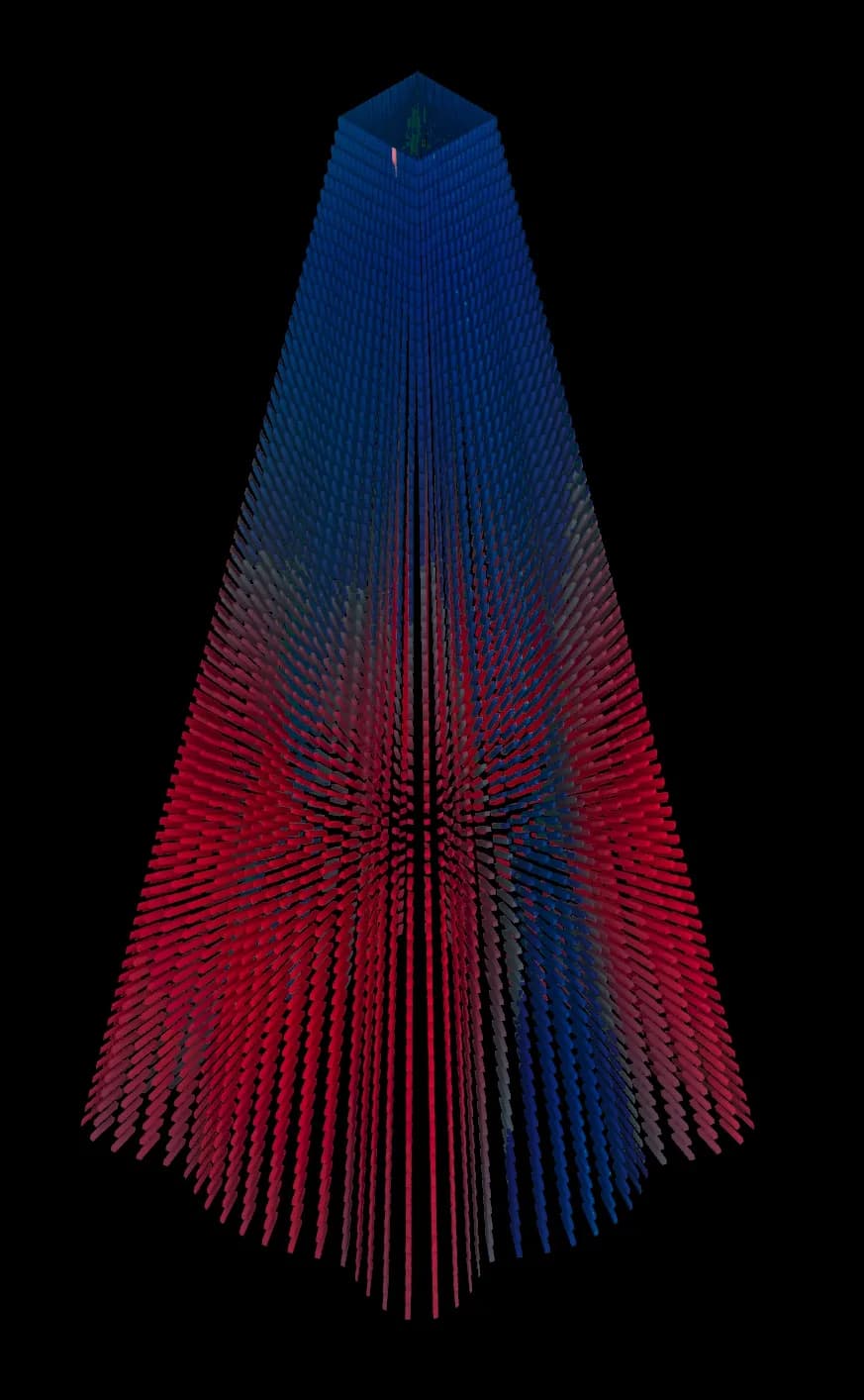
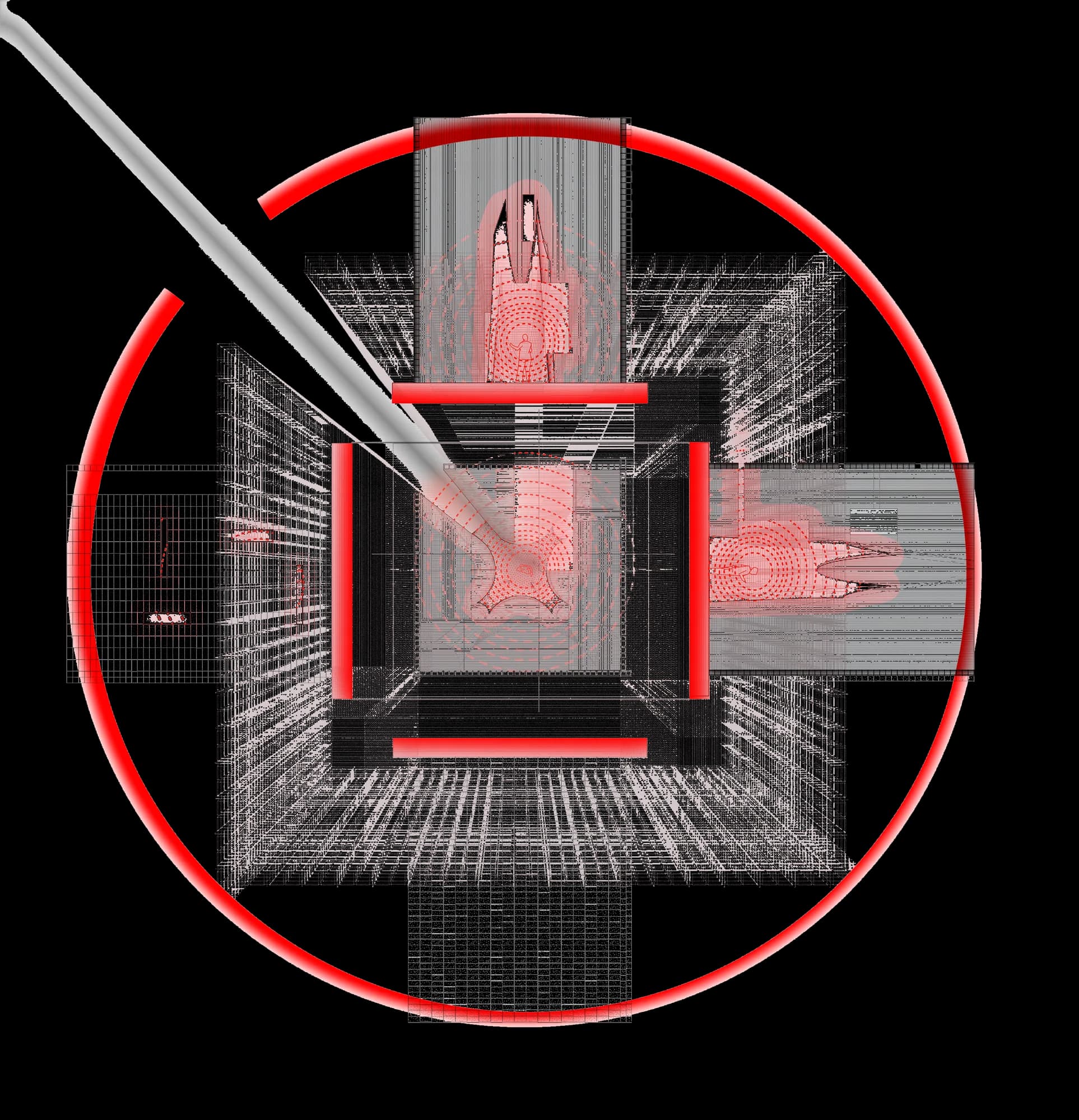
The second half matters as much. The chamber seals the sound completely, so nothing audible leaves, but the facade moves with what happens inside. The street sees that someone is in there and that it is bad, and never learns who, or why. The pain is made public. The person is not.
This is the through-line across everything on this site: expression under a veil, so that using it costs no one their composure.
On the sidewalk
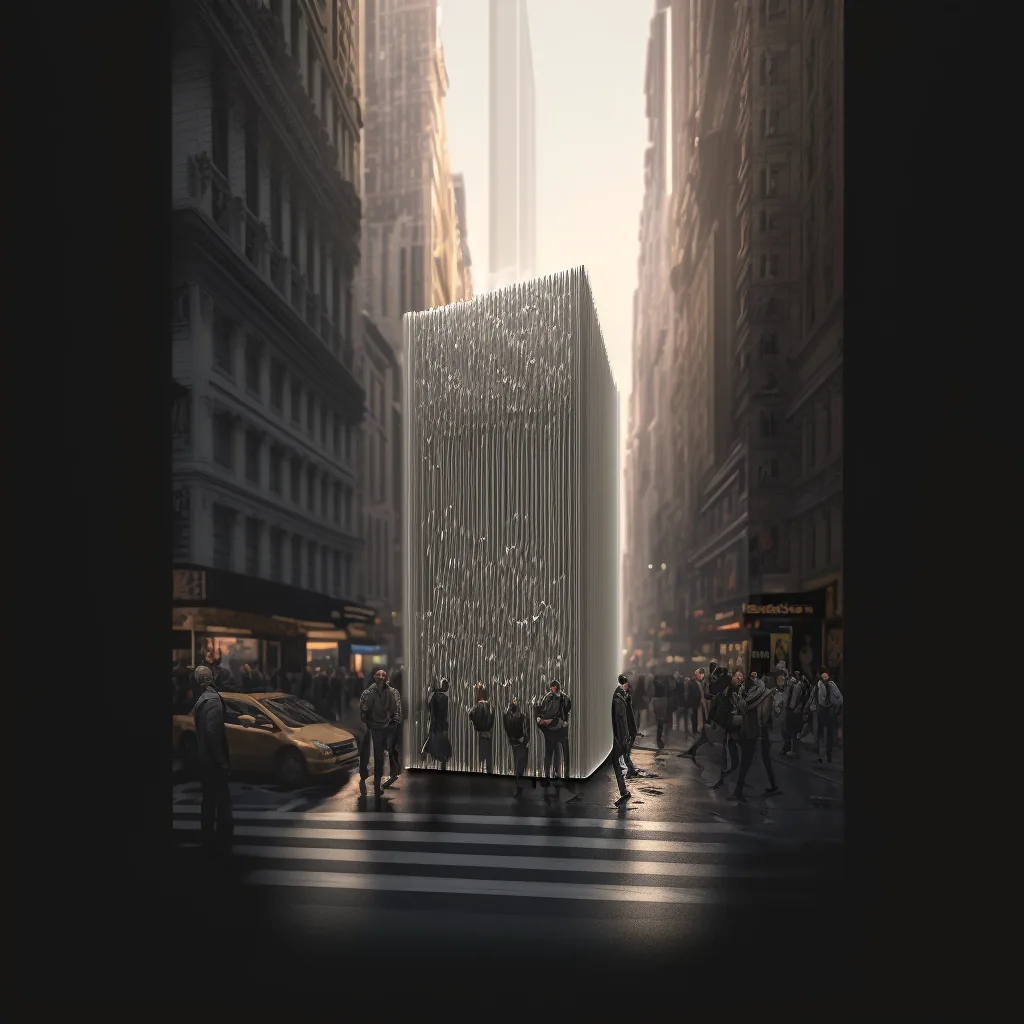
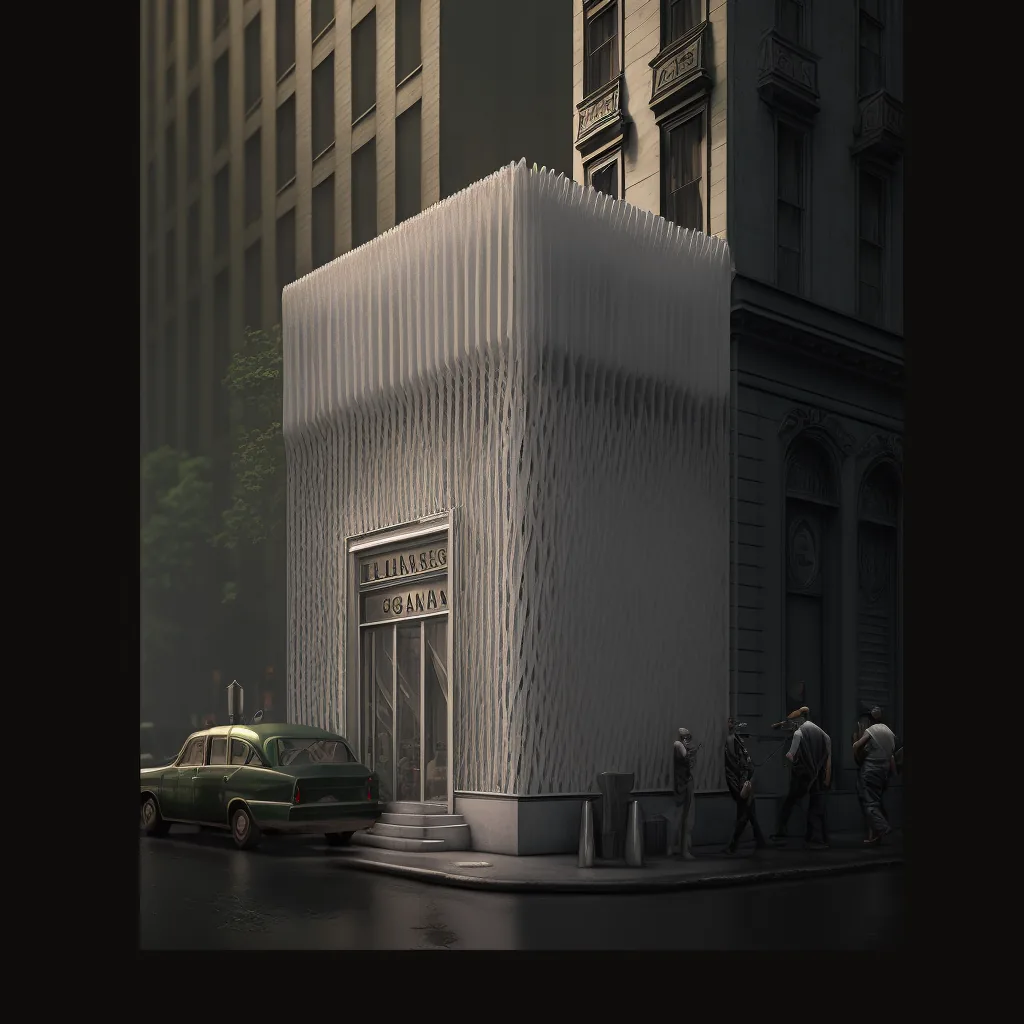
Sited on ordinary sidewalks rather than set apart in a park or a wellness facility, because the point is accessibility. The chamber is built for one, it is deaf from the outside, and it is available on the way to somewhere else.
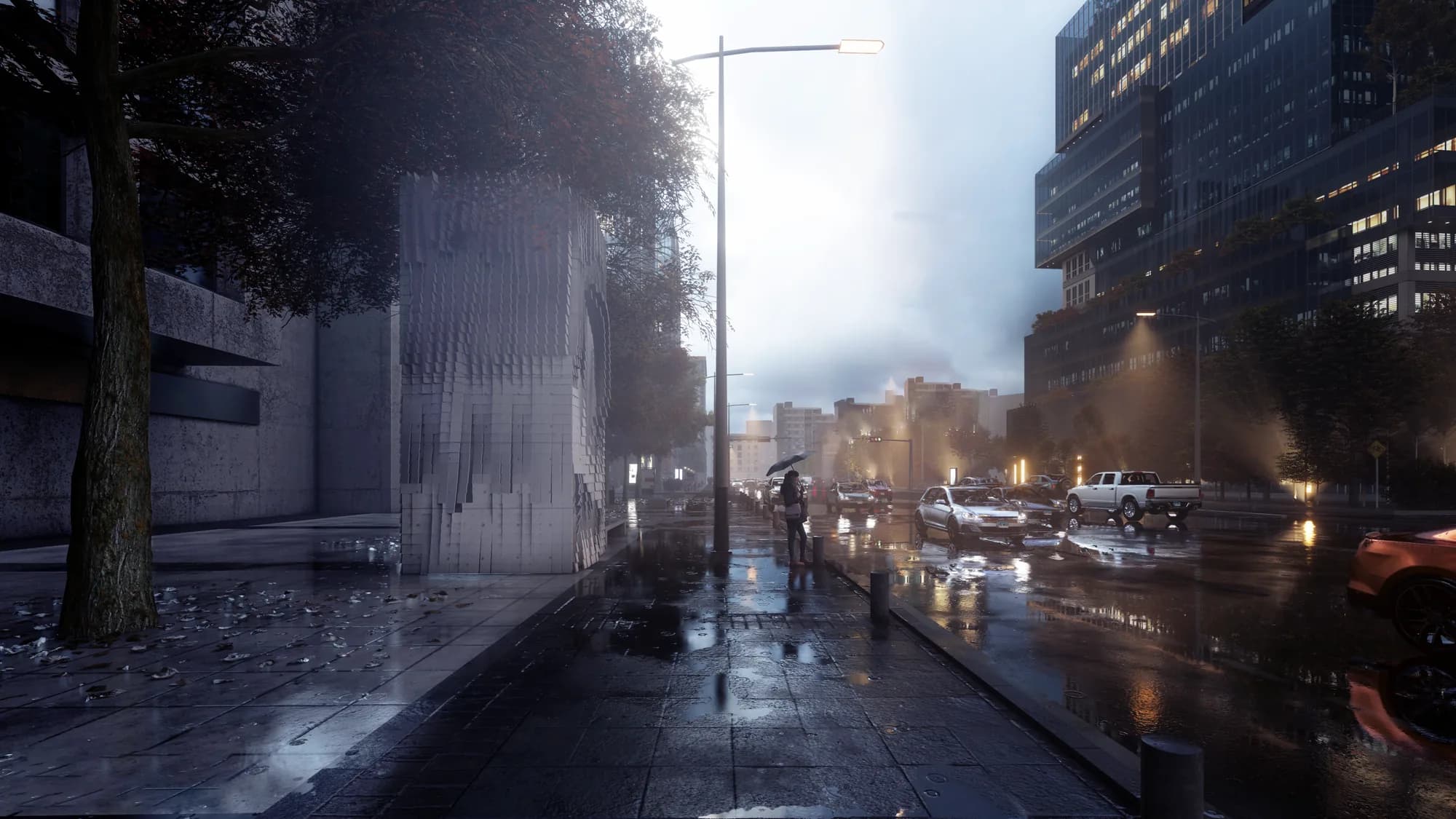
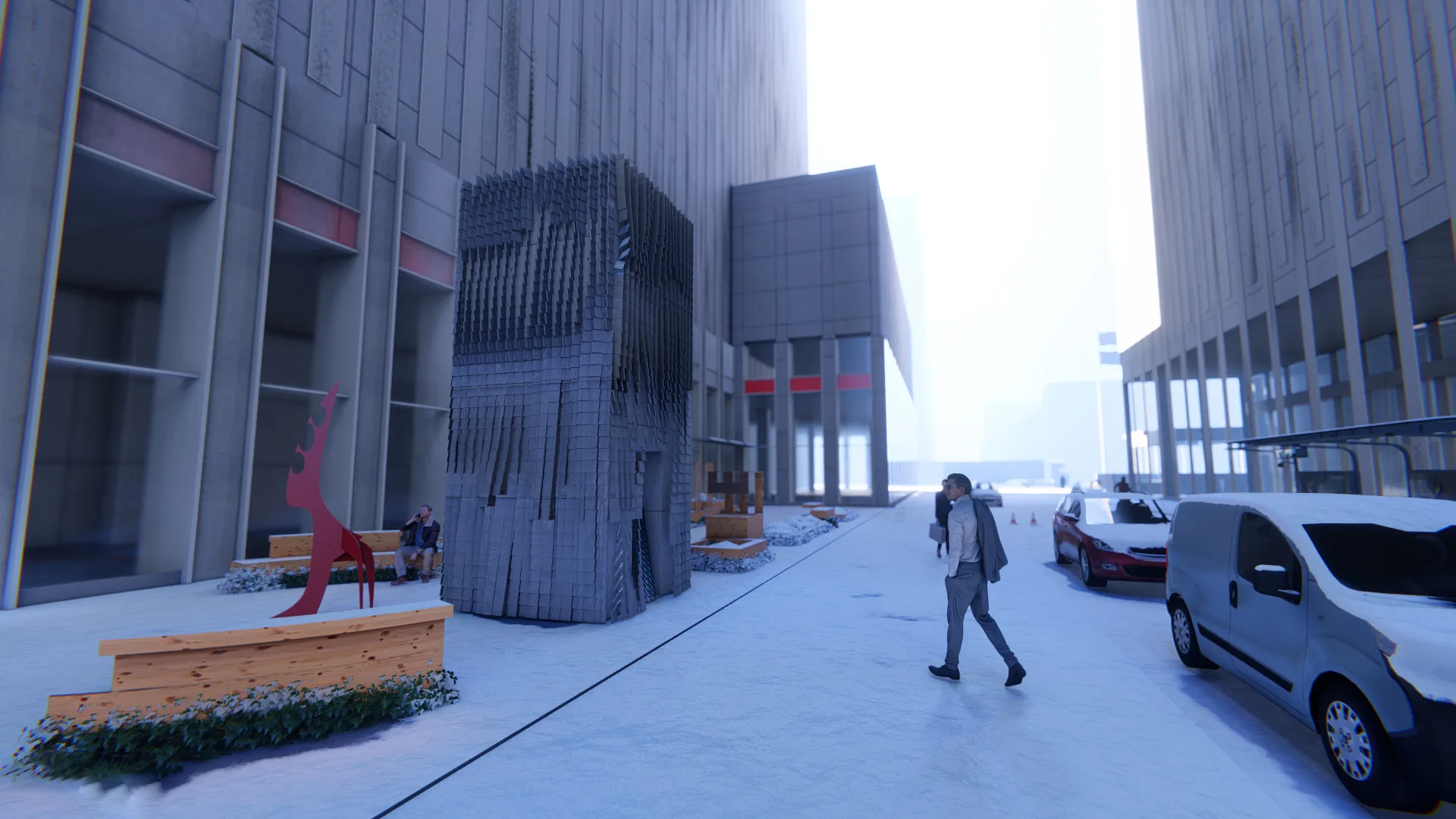
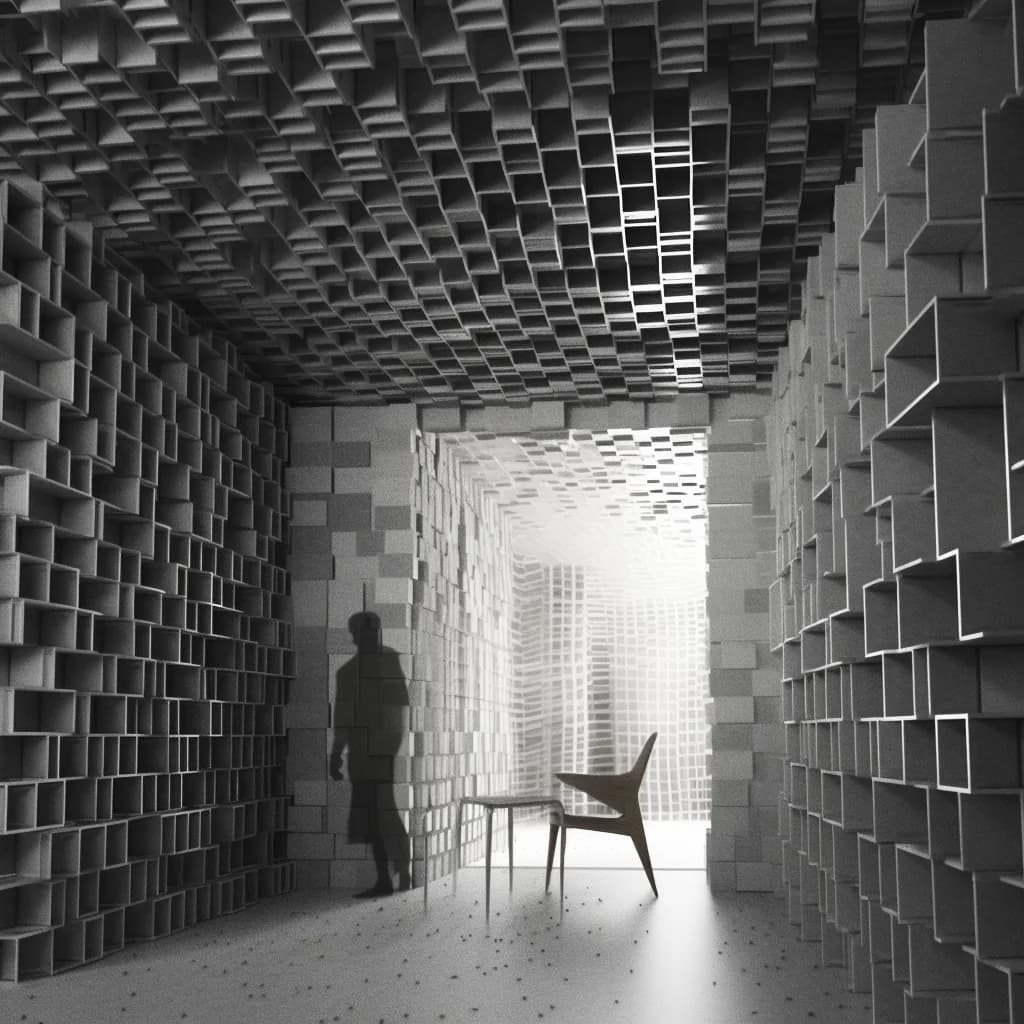
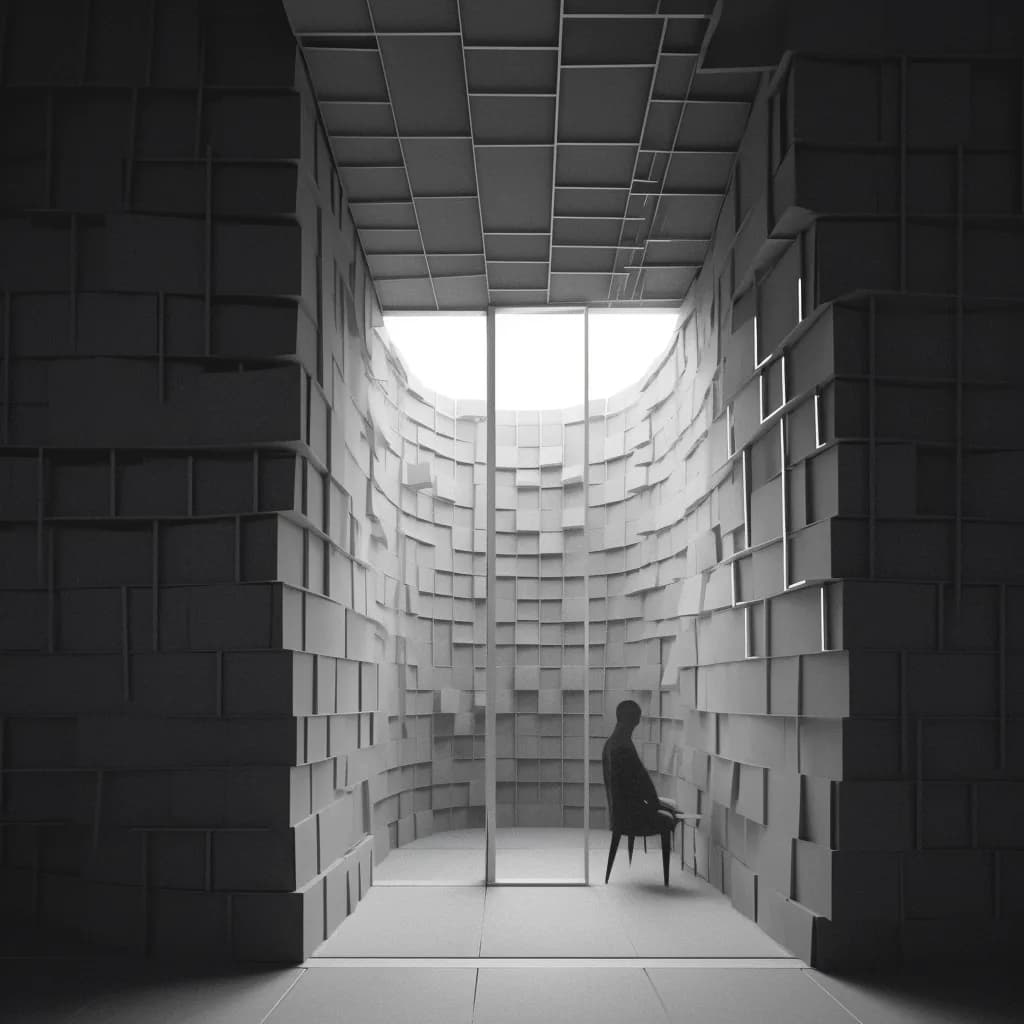
Sited: AI explorations, 2022
Made in the first weeks Midjourney was public, as a fast way to test how a small, deaf, heavily textured mass reads against a real street, and what it feels like once you are sealed inside one. Exploratory imagery, not proposed design.
What is unresolved
The chambers were printed, not actuated. There is no microphone, no sensing, and no moving facade. The translation from sound to surface exists as geometry, and separately as the Chladni instrument, but not yet as a working loop inside one object.
That is the current work: taking the plate off the bench, putting a live input on one side of it and a physical response on the other, at the scale of a single panel before the scale of a room.
Borrowing from John Hejduk's argument that the architect must invent programs specific to their own time: this is a program the city does not have yet, and needs.